IE-DRIVE 100 for fuel cell powered cars

Our fuel cell ‘engine’ for passenger cars and light commercial vehicles

IE-DRIVE 100 for fuel cell powered cars

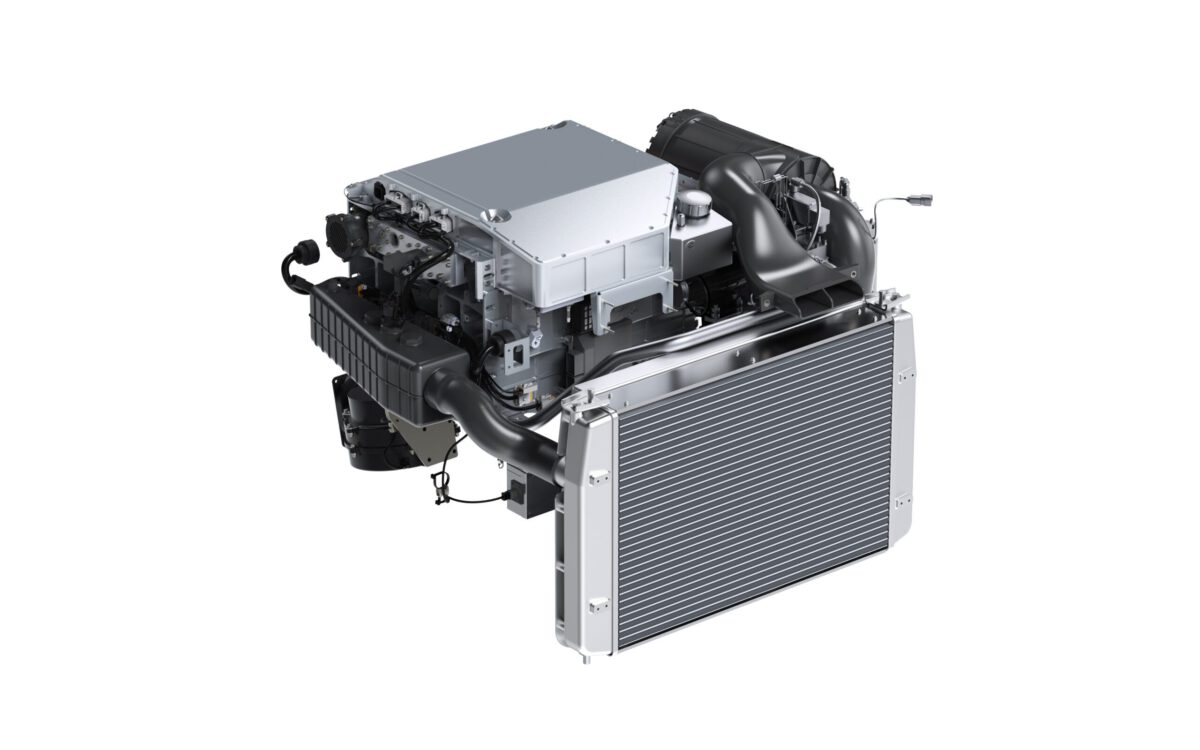
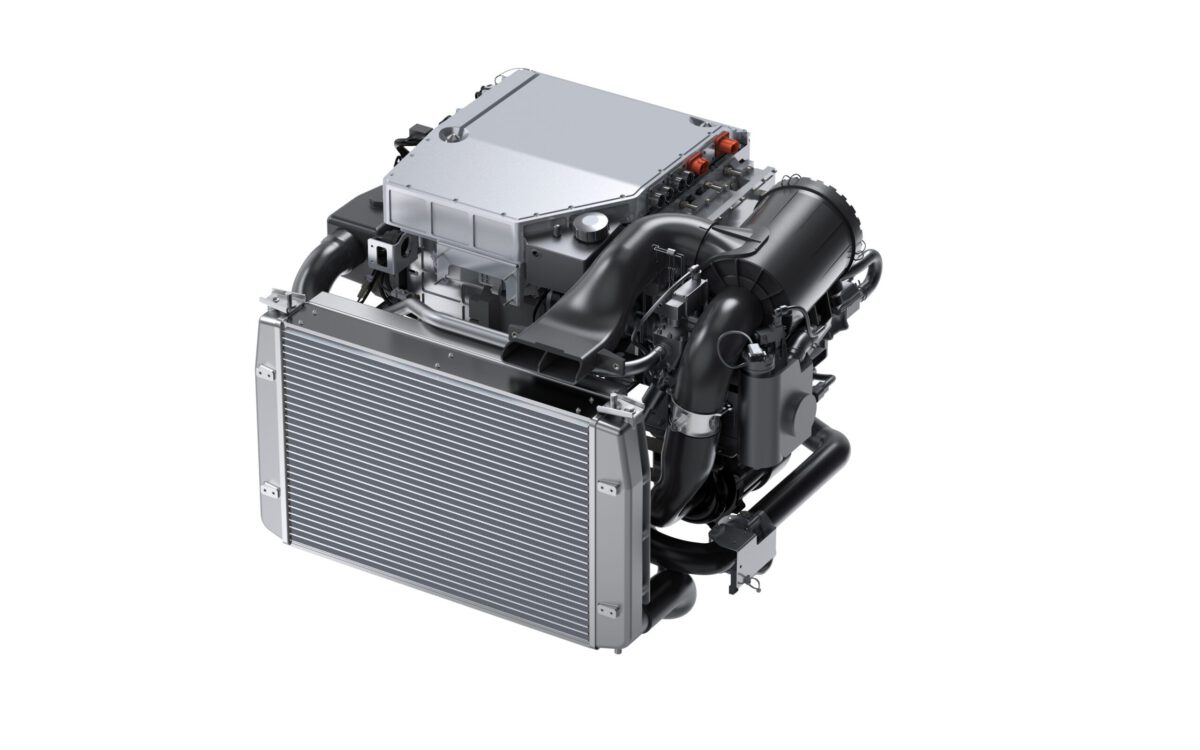
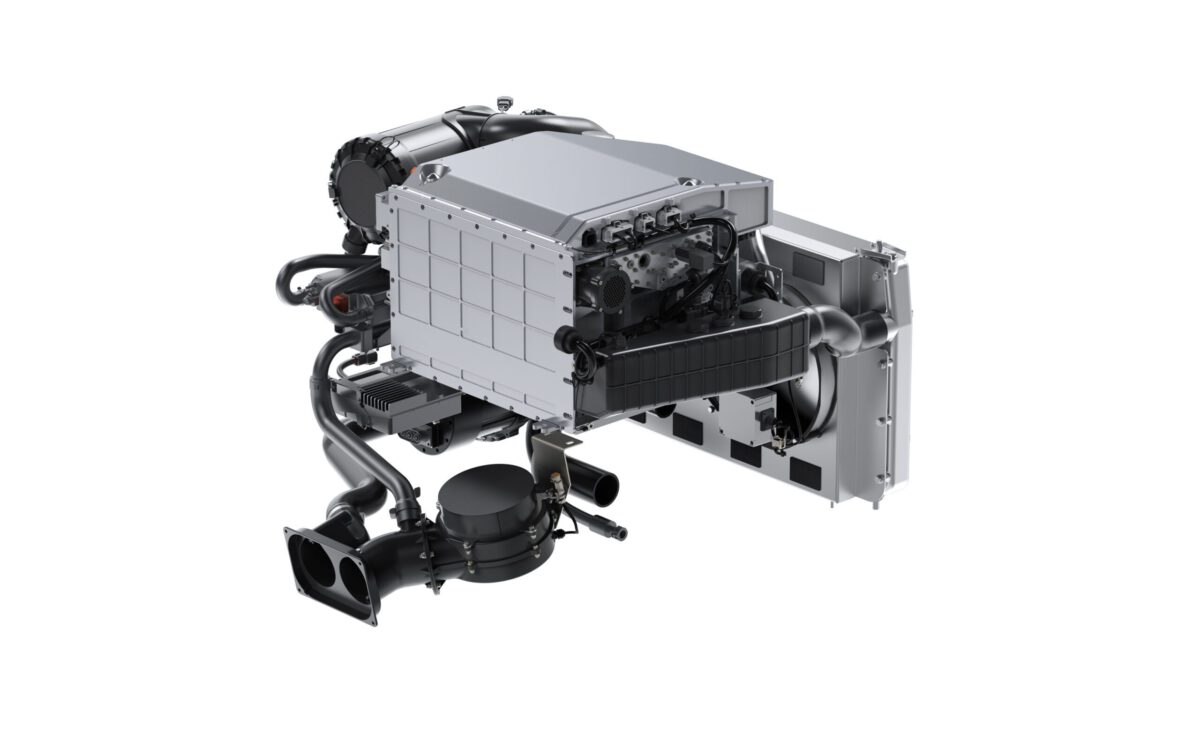
IE-DRIVE™ 100 is Intelligent Energy’s high-power hydrogen fuel cell system engineered specifically for passenger cars and light commercial vehicles (LCVs). Delivering peak power of up to 110 kW, it is packaged in a compact, engine-shaped format that aligns with the spatial and performance demands of modern vehicle platforms.

The hydrogen fuel cell module and surrounding system has been designed specifically to serve as a drop-in replacement for traditional internal combustion engines, enabling manufacturers to transition to zero-emission powertrains with minimal disruption to existing vehicle architecture. The fuel cell module and its supporting systems are optimised for seamless integration, ensuring that installation into new or retrofitted vehicles is as straightforward as possible.

The IE-DRIVE™ 100 offers exceptional flexibility, allowing OEMs to tailor the system to different vehicle classes and configurations. Whether for urban delivery vans, fleet vehicles, or passenger cars, the system supports a wide range of applications where space is limited but performance cannot be compromised.


Applications of IE-DRIVE 100

  • Passenger vehicle
  • Light commercial vehicle

Fuel cells versus batteries

Feature IE-DRIVE 100 Battery alternatives
Maximum net output 100kW Power output varies from 75kW to 450kW depending on the model e.g. budget and mainstream EVs to performance and hyper-EVs
Weight 240kg In typical passenger, Battery Electric Vehicles (BEVs) are consistently heavier than Fuel Cell Electric Vehicles (FCEVs) due to the substantial mass of lithium-ion batteries required to match operational ranges. Around 350-600kg
Range Extended range subject to tank size The weight of BEVs can impact range. Standard BEVs usually fall in the 250 to 350-mile band. Popular models like the Hyundai Kona Electric offer up to 319 miles, while the Kia EV3 can reach up to 375 miles
Refuelling/recharge time <10 minutes Charging times for electric cars range from 20 minutes to over 24 hours depending on the charger type and battery size. This also relies on charger availability and national grid infrastructure
Cold weather performance -20°C to +40°C Performance significantly reduced in cold conditions due to battery limitations. In extreme winter conditions, BEVs can lose 20% to 30% of their rated range due to battery chemistry and the energy required for cabin heating

Summary product information

Description A hydrogen fuelled PEM fuel cell power unit, with design package for a FWD automotive requirement, ready for multi-sample design validation in small fleet and test conditions.
System architecture

Fuel cell system: Includes fuel cell stack, low pressure hydrogen management, air compressor module, internal de-ionised water module, condenser and control system

Fuel cell stack: Intelligent Energy proprietary evaporatively-cooled fuel cell stack – metallic plate

System electrical output

Rated net power output (current & voltage) 65kW (BoL 232A / 280V, at EoL 283A / 230V)

Peak net power output (max current & min voltage) 110kW (BoL from 448A / 230V to 455 / 245V)

Physical – complete system excluding condenser

Mass 240kg**

Volume 390l**

** Excludes heat exchanger and exhaust

* Please refer to the datasheet for the full product specification.

Top