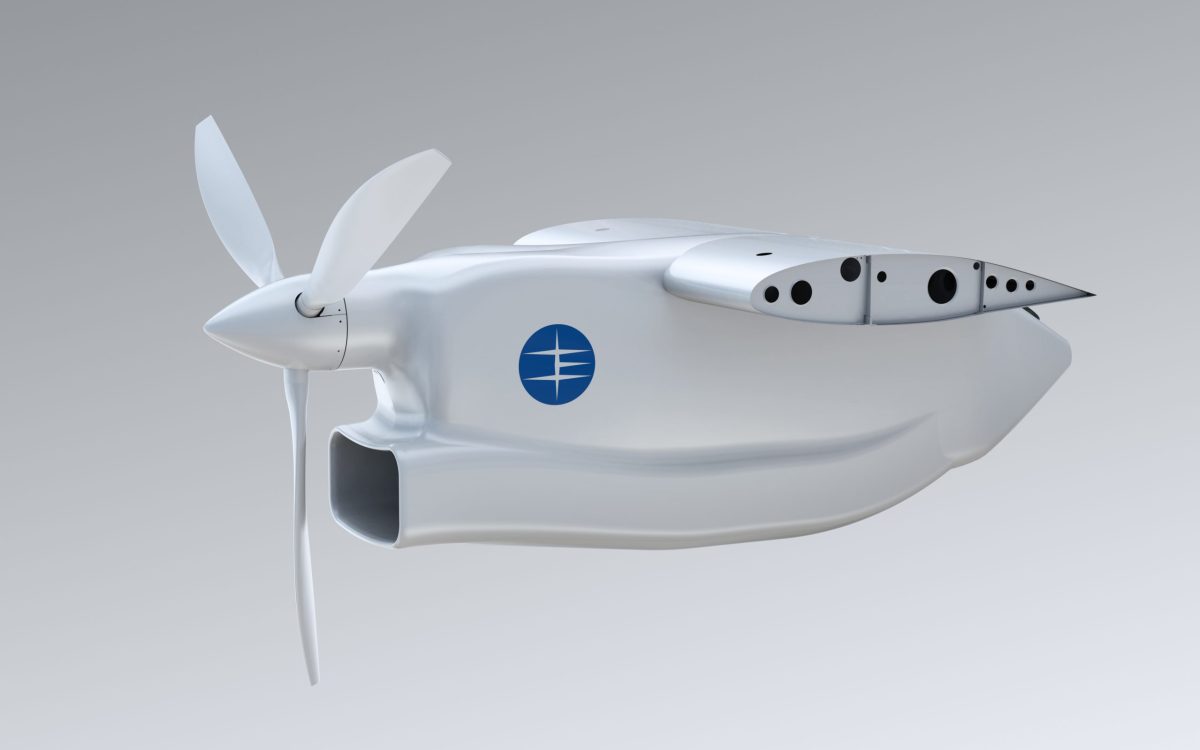
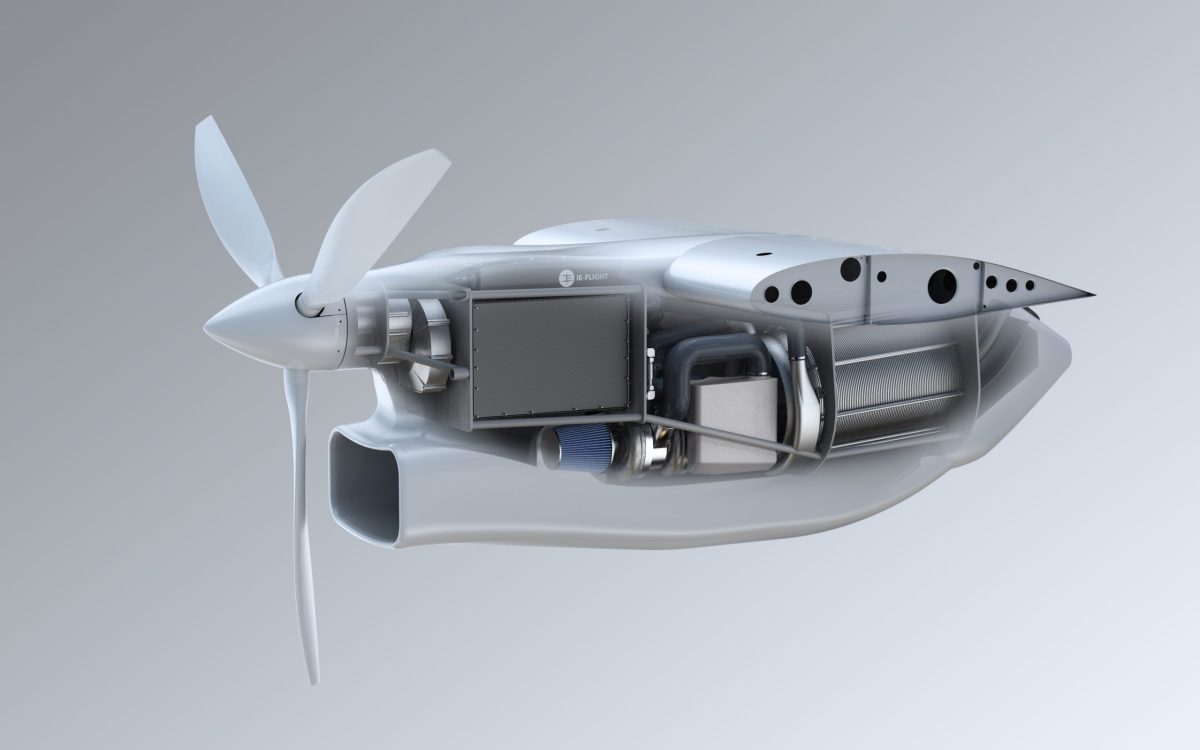
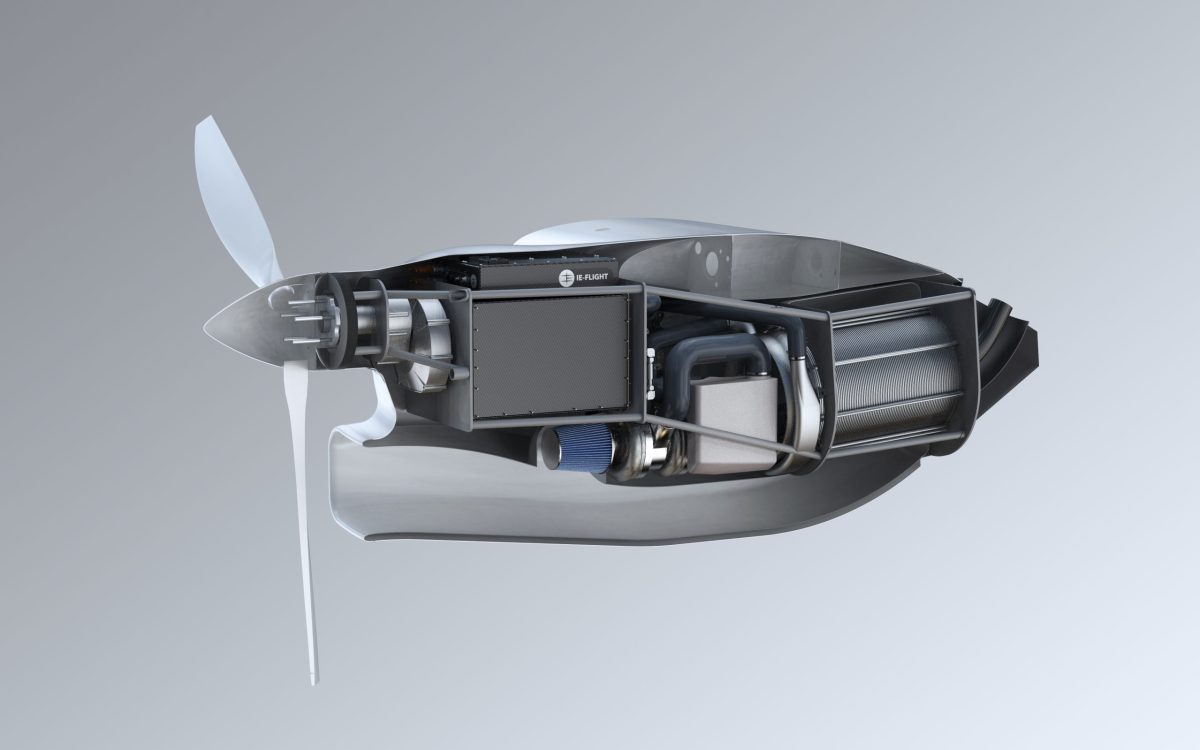
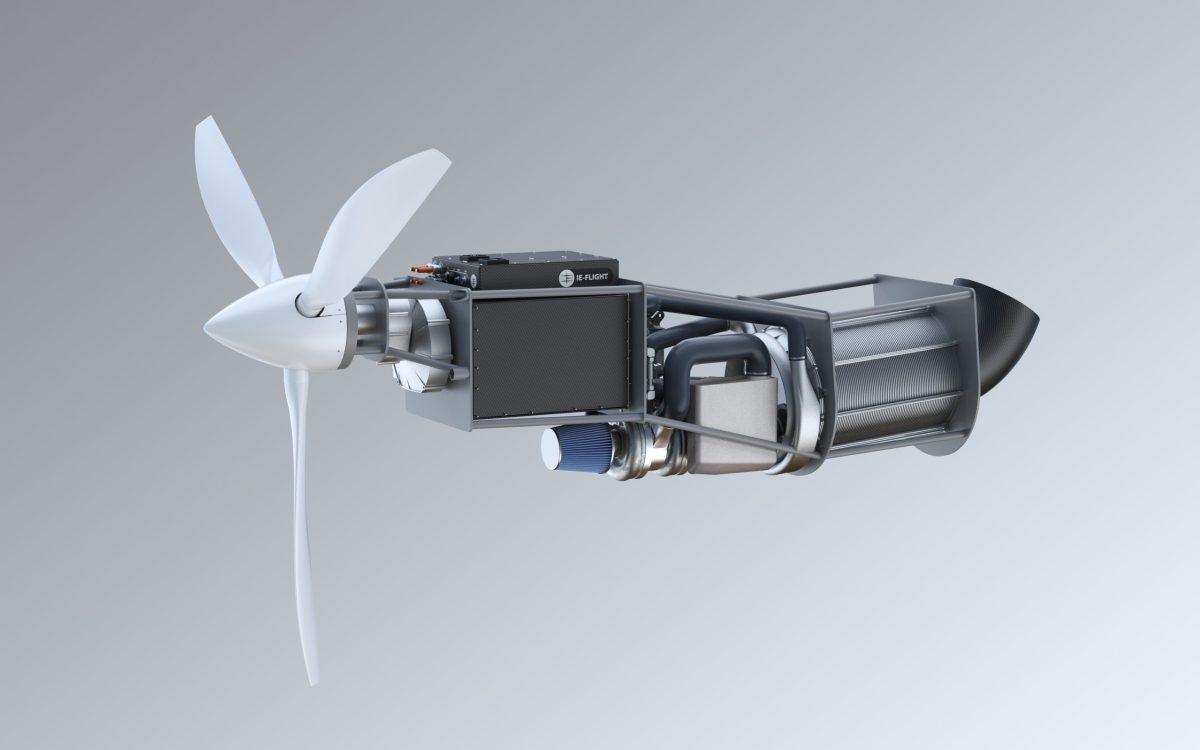
IE-FLIGHT hydrogen fuel cell
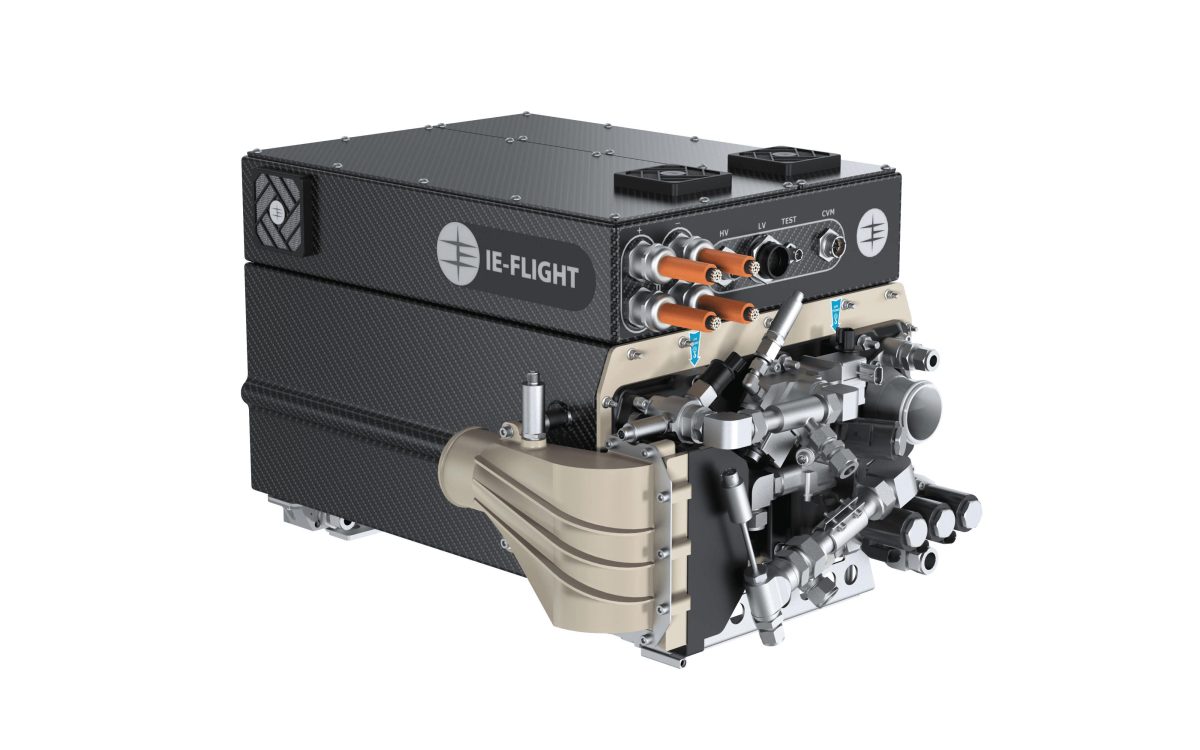
IE-FLIGHT™ is our high-power product line for the aviation sector. From 120kW to multi-megawatt scale, these systems have been developed to support hydrogen-electric flight for eVTOL, Part-23 and Part-25 aircraft serving sub-regional and regional markets.
Hydrogen fuel cells offer a zero-emission power source for future sustainable aircraft and are a competitive technology for aircraft up to 100 seats.
How IE-FLIGHT powers the next generation of aircraft
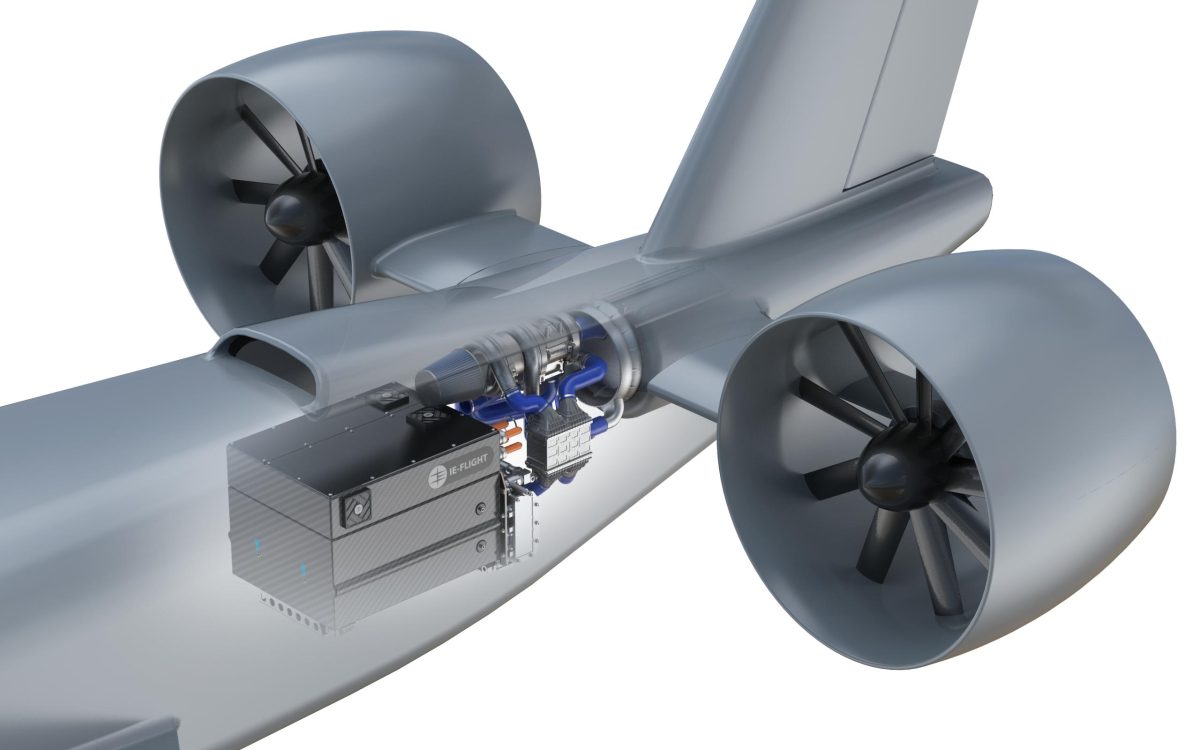
The IE-FLIGHT™ hydrogen fuel cell system integrates with the aircraft electrical architecture, delivering power to electric motors that drive propellers, fans or rotors and supporting zero-carbon hydrogen-electric propulsion at the point of use.
Designed to be certifiable for aviation applications, IE-FLIGHT combines patented fuel cell, air management and thermal management technologies into a lightweight, optimised package. The system delivers the high levels of continuous power required for cruise flight, while its fast dynamic response supports abnormal operation and can help reduce onboard energy storage requirements.
Built on a modular and scalable architecture, IE-FLIGHT can be configured for applications ranging from advanced air mobility and eVTOL aircraft through to larger regional and sub-regional platforms. The technology is scalable from 120kW systems to multi-megawatt powertrains, enabling aircraft manufacturers to tailor propulsion solutions to specific range, payload and mission requirements while maintaining a clear pathway to larger future aircraft.
IE-FLIGHT supports hydrogen-electric propulsion by combining high power density, scalable system architecture, fast dynamic response and aviation-optimised thermal management in a fuel cell platform designed for eVTOL, sub-regional and regional aircraft applications.
IE-FLIGHT supports hydrogen-electric propulsion by providing:
- Zero-carbon electrical power generation from hydrogen
- Rapid response to changing flight conditions
- Lightweight, aviation-optimised thermal management
- Scalable architectures from eVTOLs to regional aircraft
- A certifiable architecture designed around aerospace software and control
- A practical pathway to larger hydrogen-powered aircraft in the future
Benefits of hydrogen fuel cells for aviation
- Zero-carbon electrical power at the point of use
- High fuel cell system power density
- Scalable architecture for multi-MW fuel cell installations
- Reduced liquid coolant storage requirements
- Fast dynamic response for abnormal operation, enabling reduced onboard energy storage requirements
- Patented direct water injection cooling technology, removing the need for external humidification
- Thermal management designed to reduce heat exchanger size and minimise aircraft aerodynamic drag
Evaporatively cooled fuel cell technology
IE-FLIGHT hydrogen fuel cell systems use an advanced thermal management architecture designed to reduce heat exchanger size, minimise aircraft aerodynamic drag and support high gravimetric power density.
IE-FLIGHT uses Intelligent Energy’s patented evaporative cooling technology to simplify system integration, reduce mass and support rapid power response. The thermal management approach enables smaller heat exchangers than conventional liquid-cooled fuel cell systems, helping minimise aircraft weight and aerodynamic drag while improving overall efficiency. Direct water injection also removes the need for external humidification.
Hydrogen fuel cells for eVTOL aircraft
As the advanced air mobility market continues to develop, hydrogen fuel cells are emerging as a compelling power solution for eVTOL aircraft. Compared with battery-only systems, hydrogen fuel cells offer the potential for longer range, increased payload capacity and faster refuelling, helping operators maximise aircraft utilisation while maintaining
IE-FLIGHT has been designed to meet the demanding power and weight requirements of next-generation eVTOL platforms. Its high-power density, fast dynamic response and scalable architecture enable both vertical take-off and efficient cruise flight, supporting the development of commercially viable aircraft for passenger, cargo and specialist operations.
Applications for IE-FLIGHT
- Sub-regional aircraft
- Regional aircraft
- Passenger eVTOL aircraft
- Cargo eVTOL aircraft
- Advanced Air Mobility (AAM) platforms
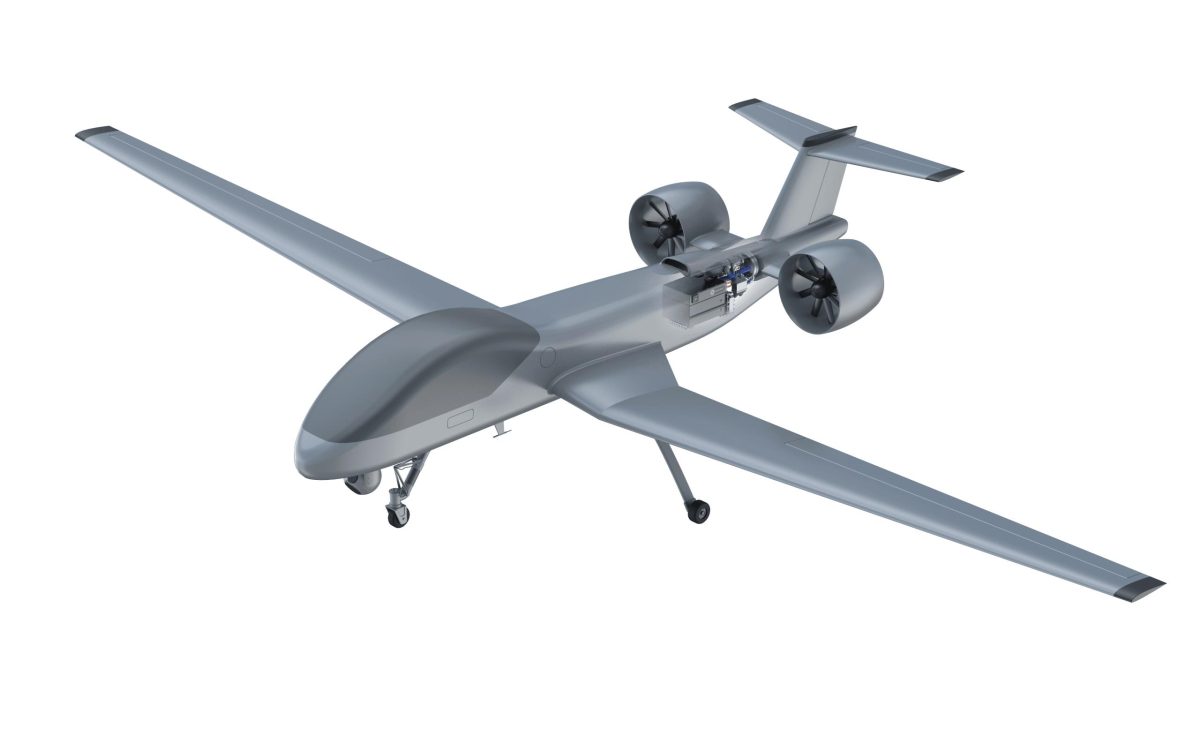
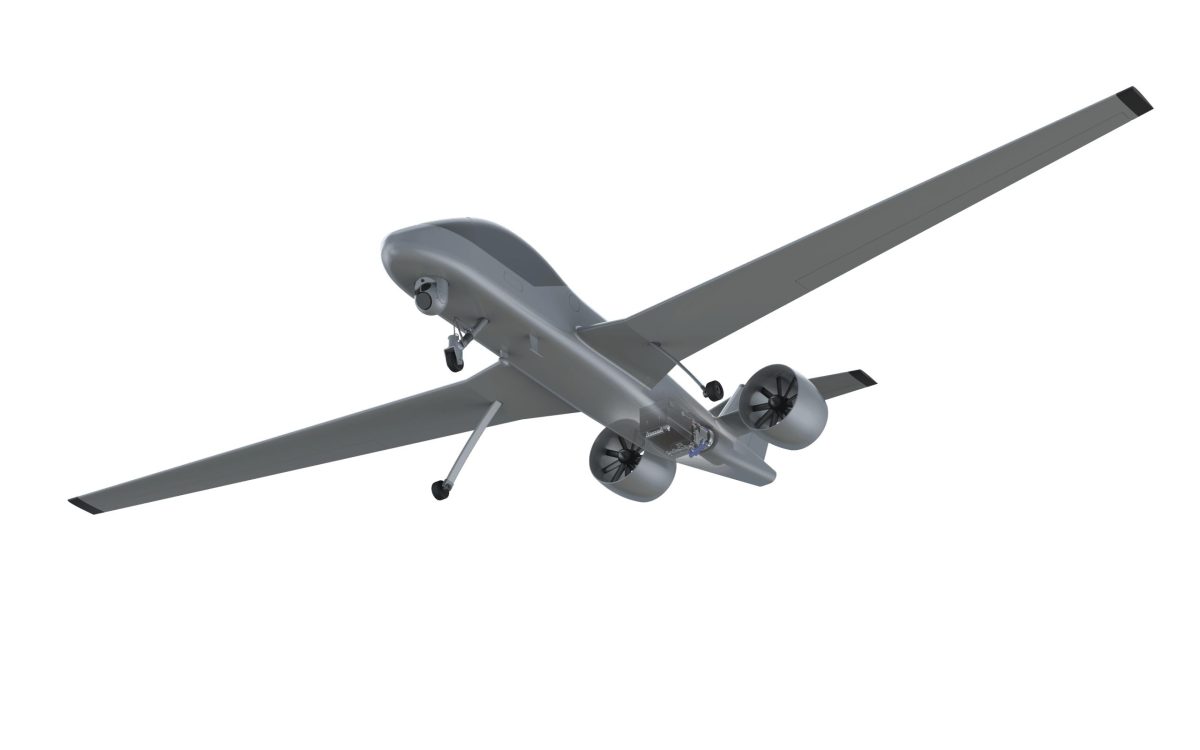
- Heavy lift drones
- APUs
Funded development programmes
IE-FLIGHT builds on two major aerospace development programmes. From 2019 to 2026, Intelligent Energy developed the core fuel cell stack technology through the ATI-funded H2GEAR programme, establishing a foundation for high-power hydrogen-electric propulsion and auxiliary power applications.
In 2025, Intelligent Energy launched HEIGHTS, a £17 million UK Government-backed aerospace programme focused on developing a 300kW fuel cell system using the technology matured through H2GEAR. Together, these programmes provide a clear pathway from core stack development to aviation-ready fuel cell systems for future hydrogen-electric aircraft.
Rapid start up time and power response:
Evaporative cooling with high temperature thermal management:
High power fuel cells for eVTOL applications: