Fuel cells for mission‑critical stationary power
Mission‑critical stationary power spans a wide range of applications – from microgrids supporting remote, off‑grid operations to providing dependable backup power for data centres when the grid falls short. As digital infrastructure expands and power demands accelerate, ensuring continuity of supply has never been more important. So how can hydrogen fuel cells support these critical use cases?
Hydrogen fuel cells are keeping remote locations and demanding operations online.
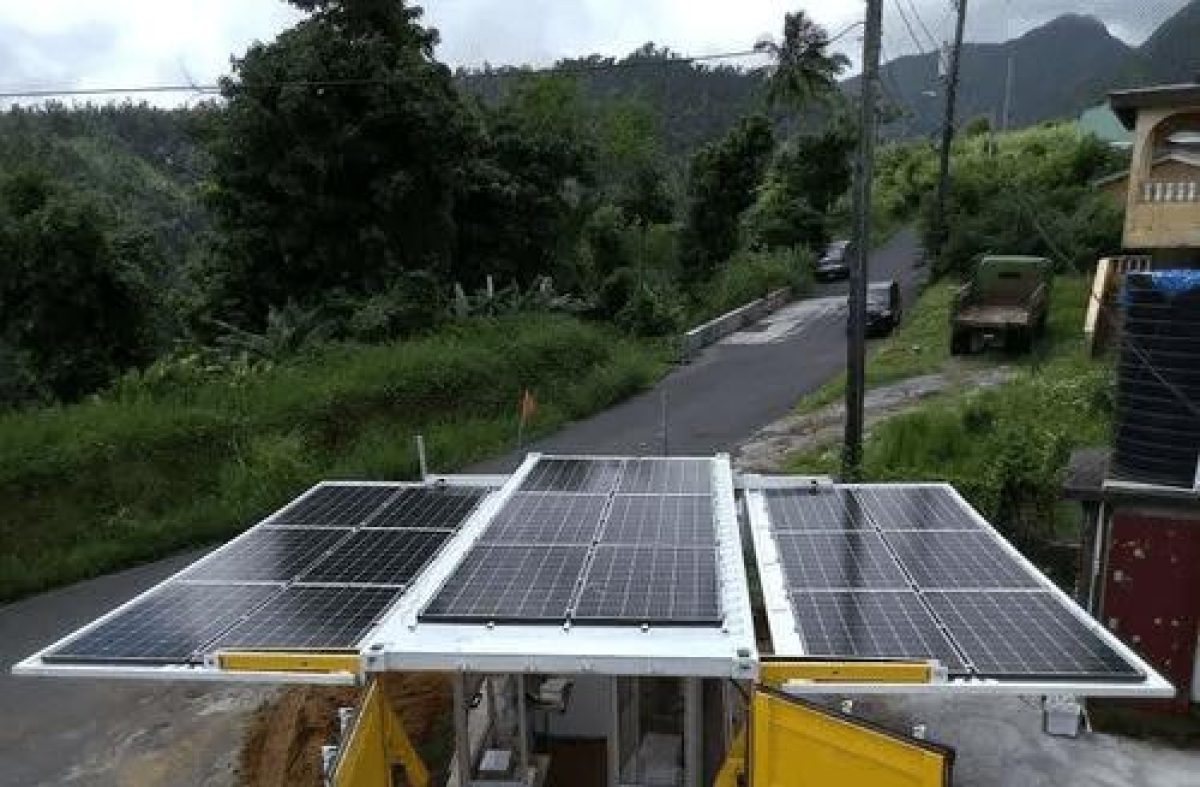
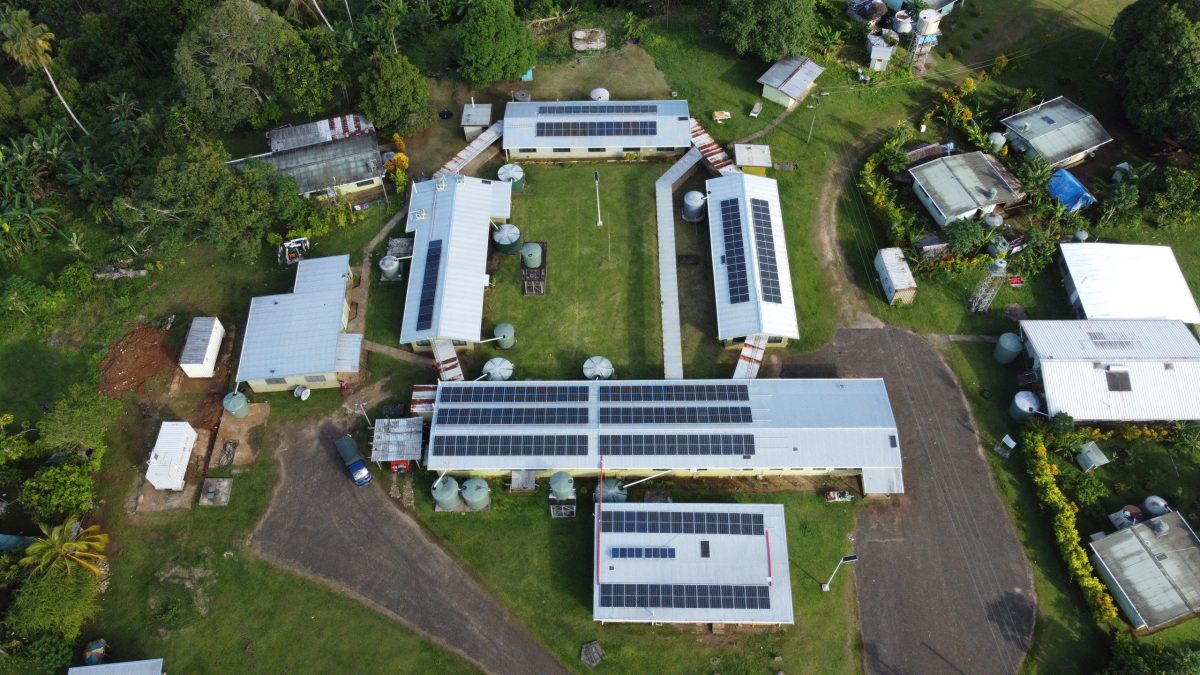
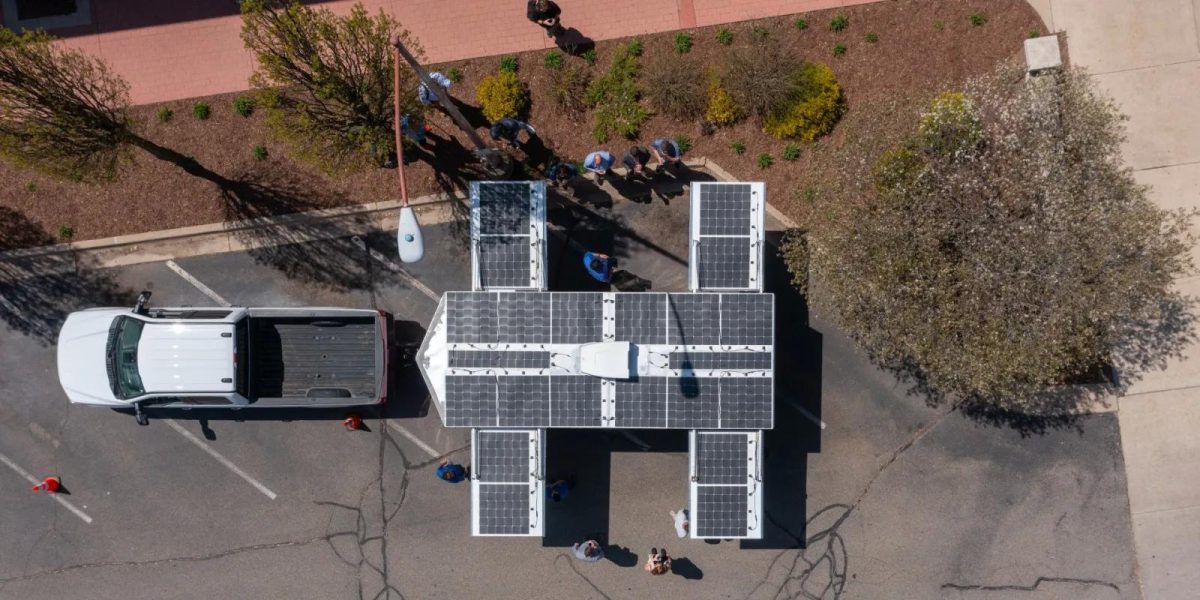
In off‑grid and grid‑constrained locations, renewable sources like solar and wind are often used to support stationary and backup power generation. However, their inherent intermittency means they cannot always guarantee continuous power. While battery systems help manage short‑term fluctuations, they are often insufficient for extended outages or high‑load applications, leading many operators to rely on diesel generators as a fallback.
Diesel, however, brings significant drawbacks: complex fuel logistics, noise and air pollution, high maintenance requirements, and rising pressure to reduce carbon emissions. Hydrogen fuel cells offer a cleaner, quieter and more sustainable alternative. When integrated into hybrid systems alongside batteries and electrolysers, fuel cells enable resilient, self‑sufficient power solutions – making them ideally suited for stationary off‑grid power and data centre backup applications where reliability, scalability and sustainability must go hand in hand.
Challenges faced in off-grid applications
- Battery limitations – energy storage systems may not hold enough charge for extended outages or high-demand periods.
- Intermittent renewables – solar and wind energy are weather-dependent and can’t guarantee continuous supply.
- Fuel logistics – diesel generators require regular fuel deliveries, which can be costly and difficult in remote areas.
- Eliminating emissions – diesel generators produce dangerous emissions whilst running, from noise to carbon monoxide, which can be detrimental to the surrounding ecosystem.
Our fuel cells for stationary off-grid & backup power
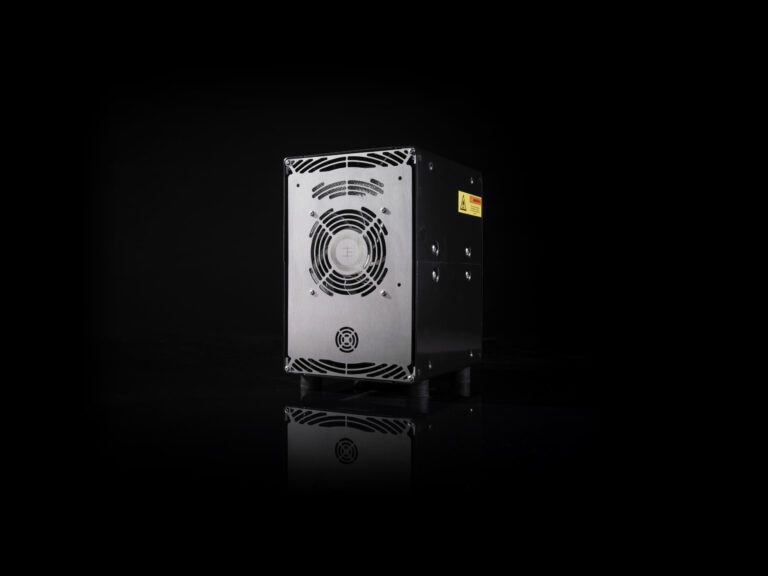
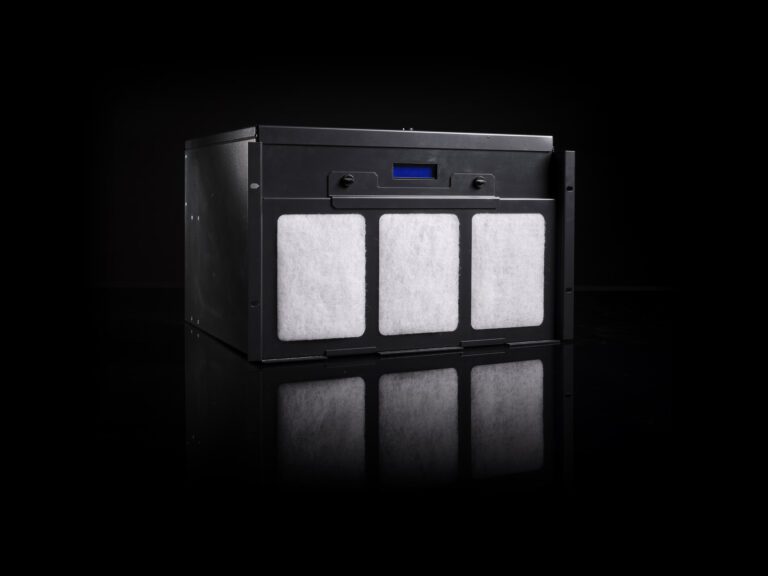
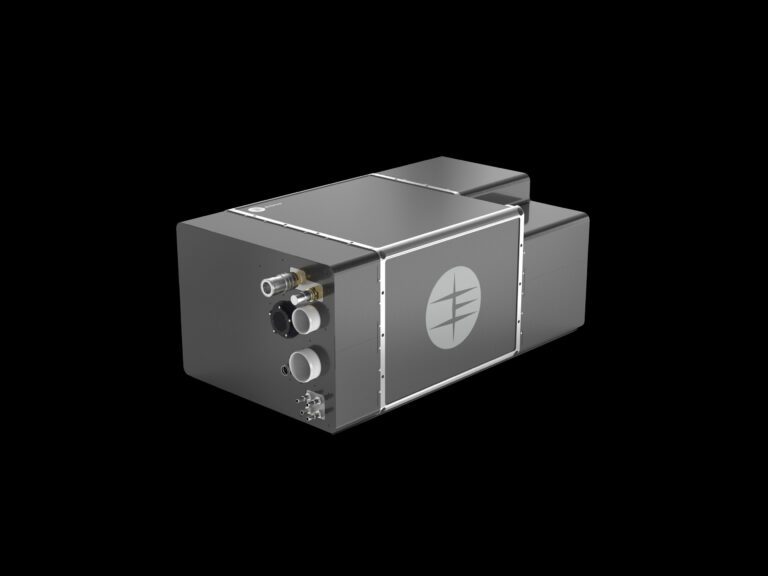
Our IE-POWER™ fuel cell modules provide zero-emission, reliable off-grid power to areas that are impacted by intermittent and unreliable grid services. With micro-grids relying heavily on diesel generators and the impacts of this on the surrounding environment regarding noise and particulate pollution, our fuel cells for off-grid applications can provide a more dependable solution and eliminate harmful emissions.
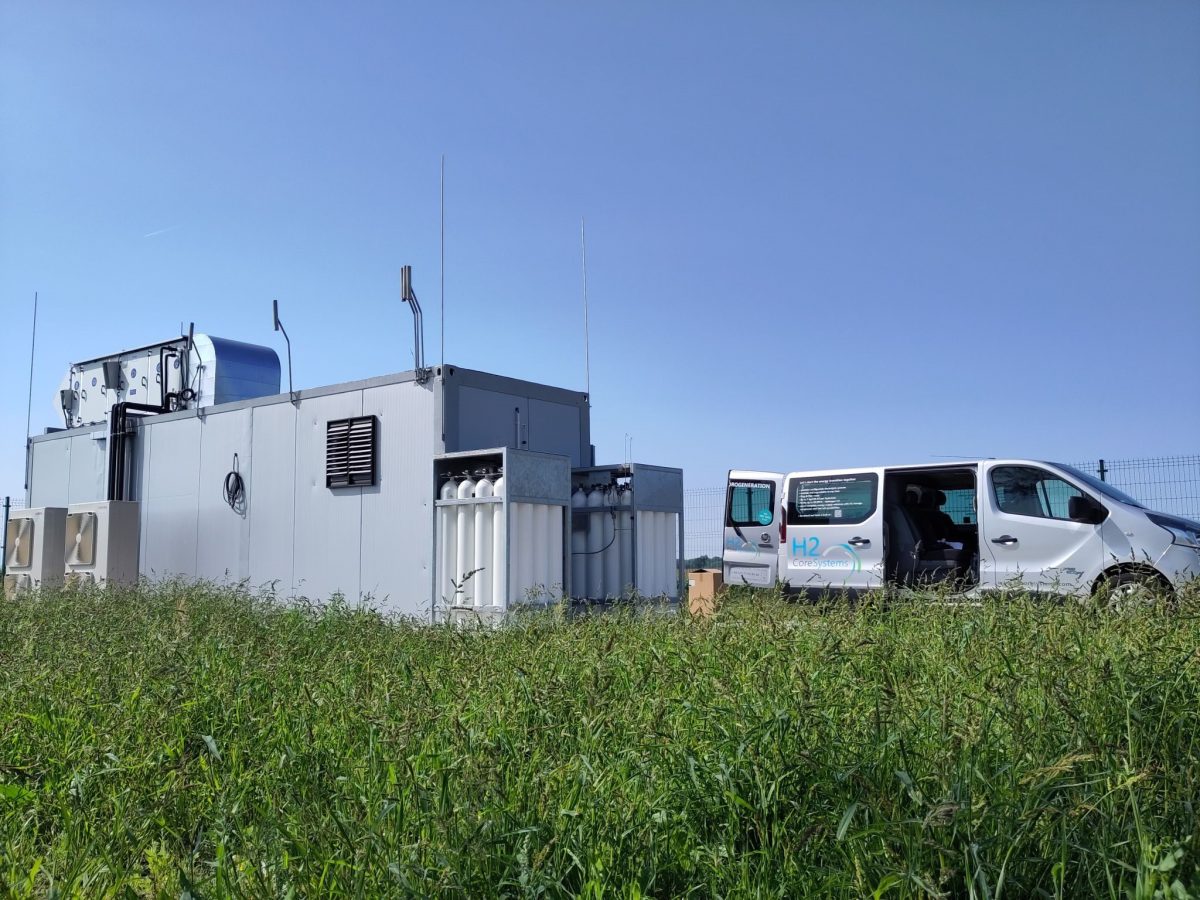
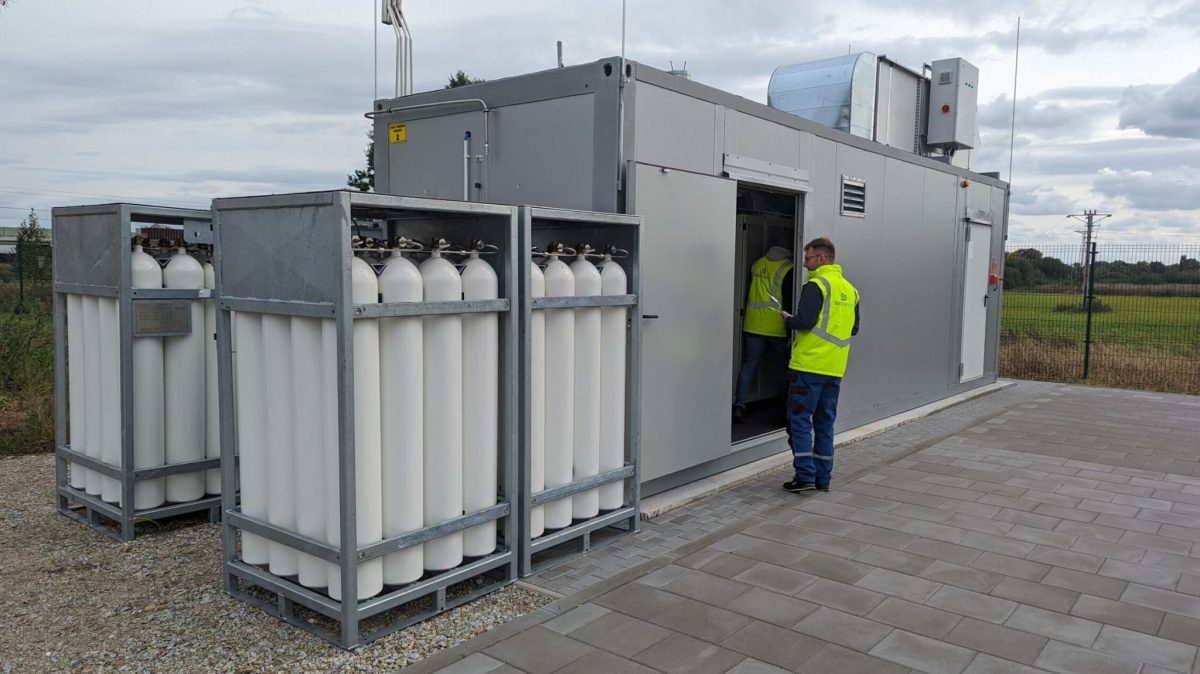
Our IE‑GRID™ product delivers clean, reliable stationary power using IE-DRIVE fuel cell systems at its core. Designed for applications such as data centres, backup, prime and distributed power, IE‑GRID offers a flexible, modular solution that can be scaled to meet site‑specific energy needs. With zero emissions at the point of use and quiet operation, IE‑GRID supports resilient, low‑carbon power for critical infrastructure and industrial environments.
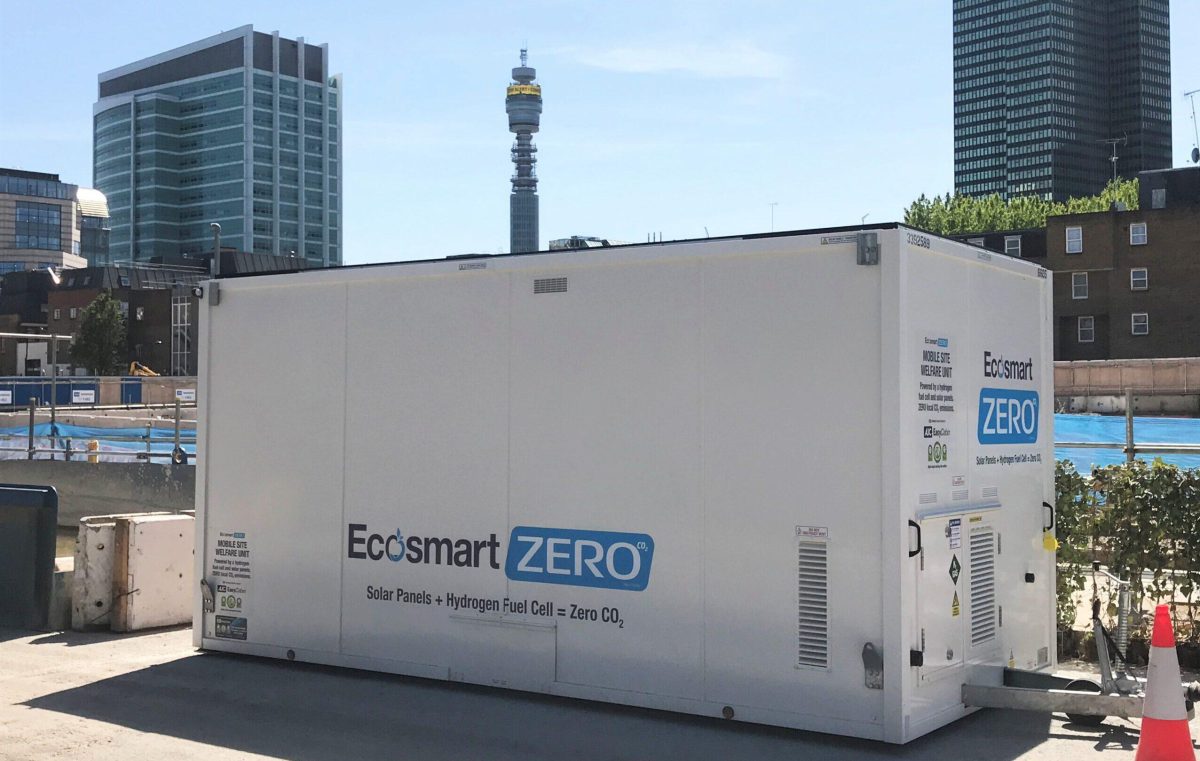
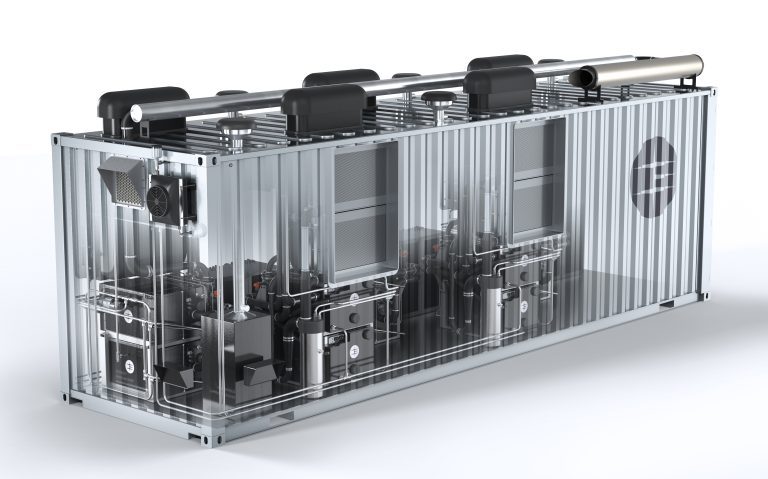
In collaboration with our partners, we are able to provide package solutions, enabling you to become less reliant on the grid. From 1kW to multi-megawatt power outputs, our solutions are scalable and can be packaged into containerised systems.
Benefits of IE’s fuel cells for stationary applications
- Fast transient response – rapid start up time and response enabling clean power availability to be maintained
- Emissions-free power – fuel cells generate electricity through an electrochemical reaction, producing no harmful emissions at point of use. The only byproduct of the process is water and heat.
- Robust reliability – wide operating temperature range of -10°C to +40, with altitude of 0m to 4000m, and 10% to 90% humidity.
- Improved efficiency – fuel cells are up to 60% energy efficient, in comparison to the typical internal combustion engine, which is around 25%.
- Near silent operation – the fuel cell itself is incredibly quiet, making them especially well-suited for use in close proximity to people.